
It seems like one of those cases of not missing something until it’s gone.
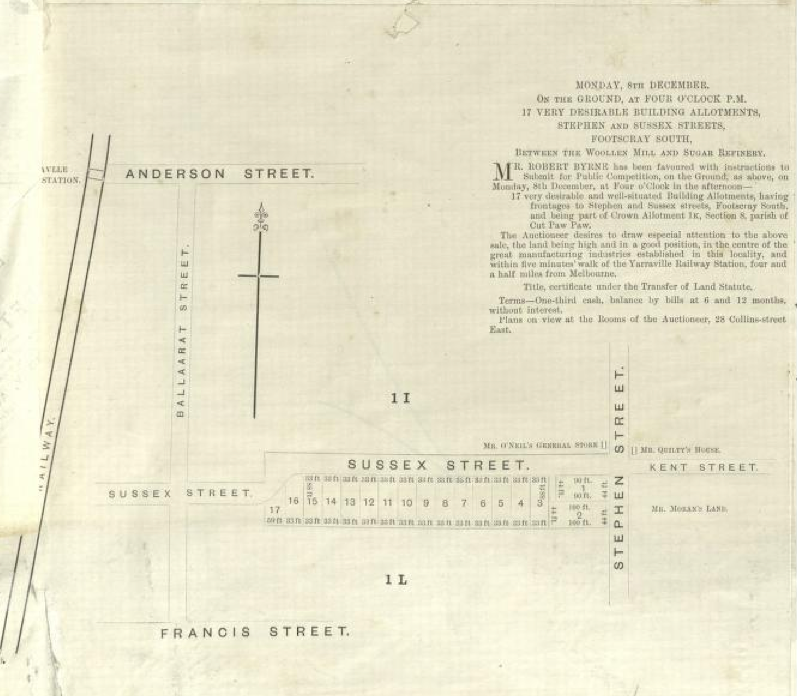
For the most of the decade-plus we’ve lived in the west, the large block on the corner of Somerville Road and Stephen Street was vacant.
I can’t recall us ever using it for frisbee or even walking across it, but it was kinda nice having that empty space there in times of crammed-in housing development.
Then, a few years back, a row of quite nice, larger house were built on Castlemaine Street.
Now almost the rest of it is being consumed by masses of rather tacky-looking townhouses.
Long-time local Chris tells me that the land was once occupied by a big factory that produced Ebeling street sweepers, and that apparently its long non-use had quite a lot to do with soil contamination.
As with many of the online searches I did for this story, I didn’t turn up much more than real estate matters.
But I did find some beaut pictures of Ebeling street sweepers at the State Library – here.

Sticking to one side of Stephen and moving towards Francis Street, I stop to admire the handsome residence know as Glenara.
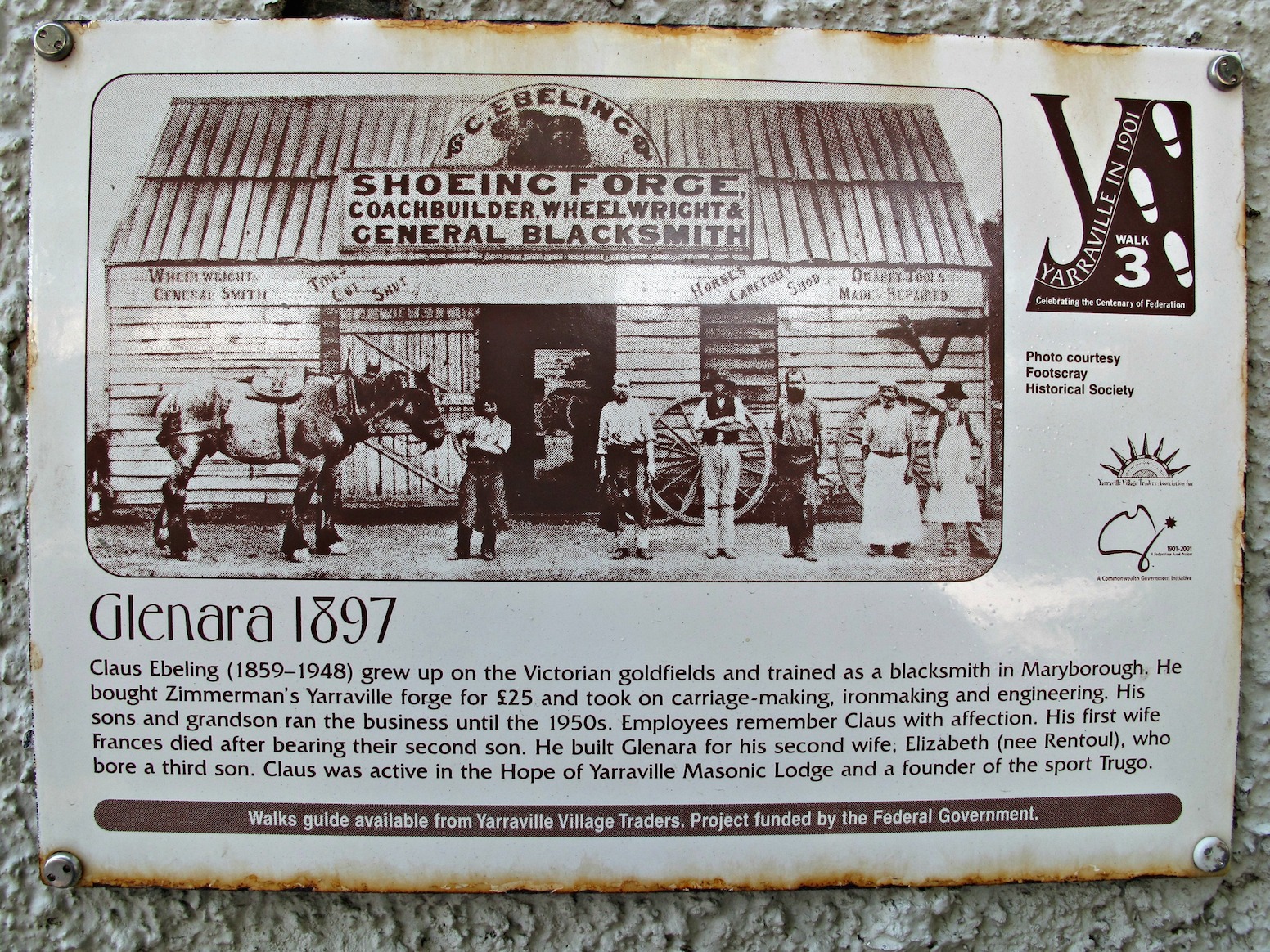
The plaque on the adjoining garage gives depth to the Ebeling connection to the adjacent, long-empty but now fully developed block.
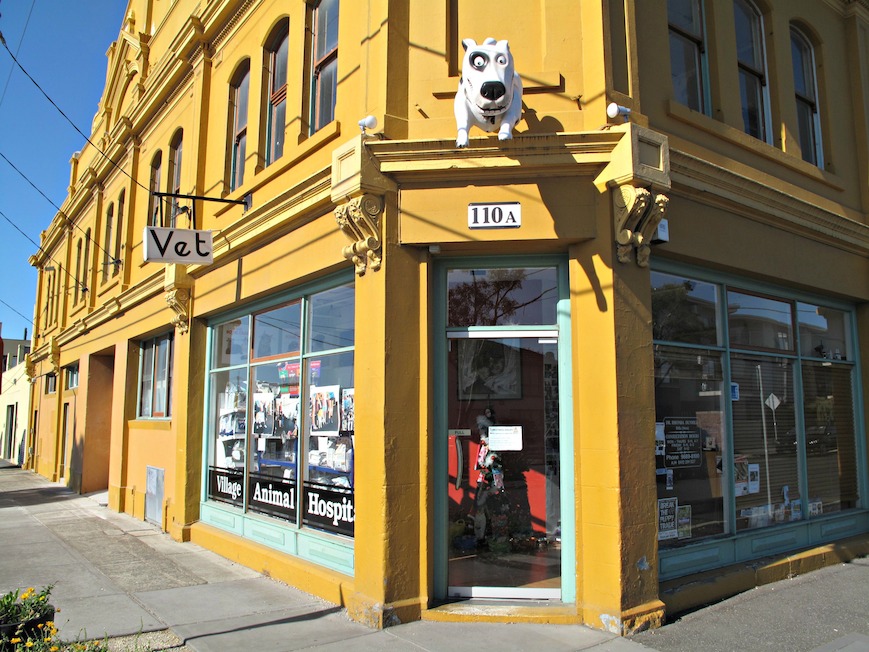
The building that houses the Village Animal Hospital appears to have three other Stephen Street addresses – two appear to be residential, and the third is displaying signs of refurbishment.

How about these two charming if rather ramshackle looking buildings?
One houses a neat-and-tidy old-school corner store.
The windows of the other are comprehensively crammed with books. Unfortunately, the spines are facing inwards so the occupants’ reading interests remain a mystery.
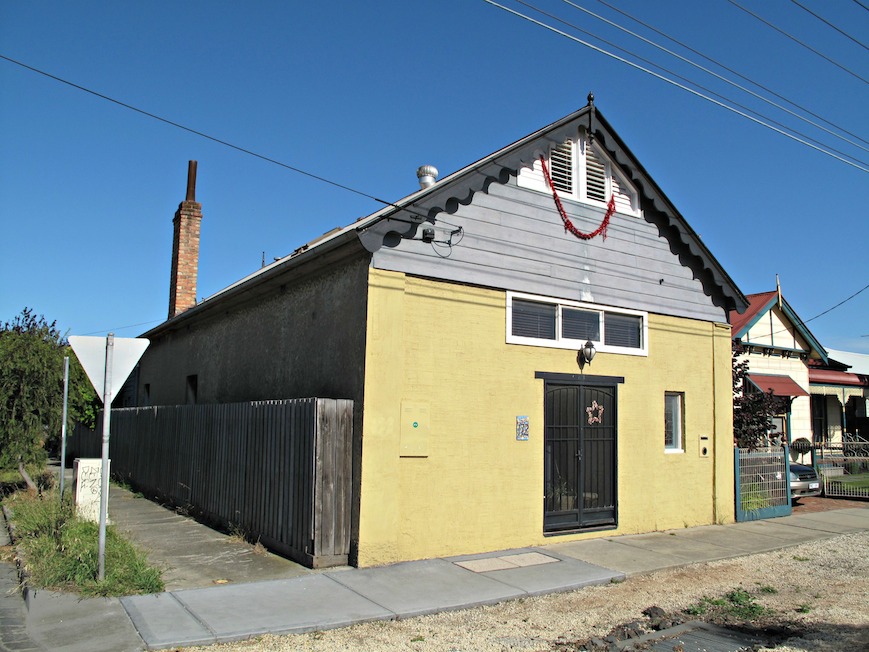
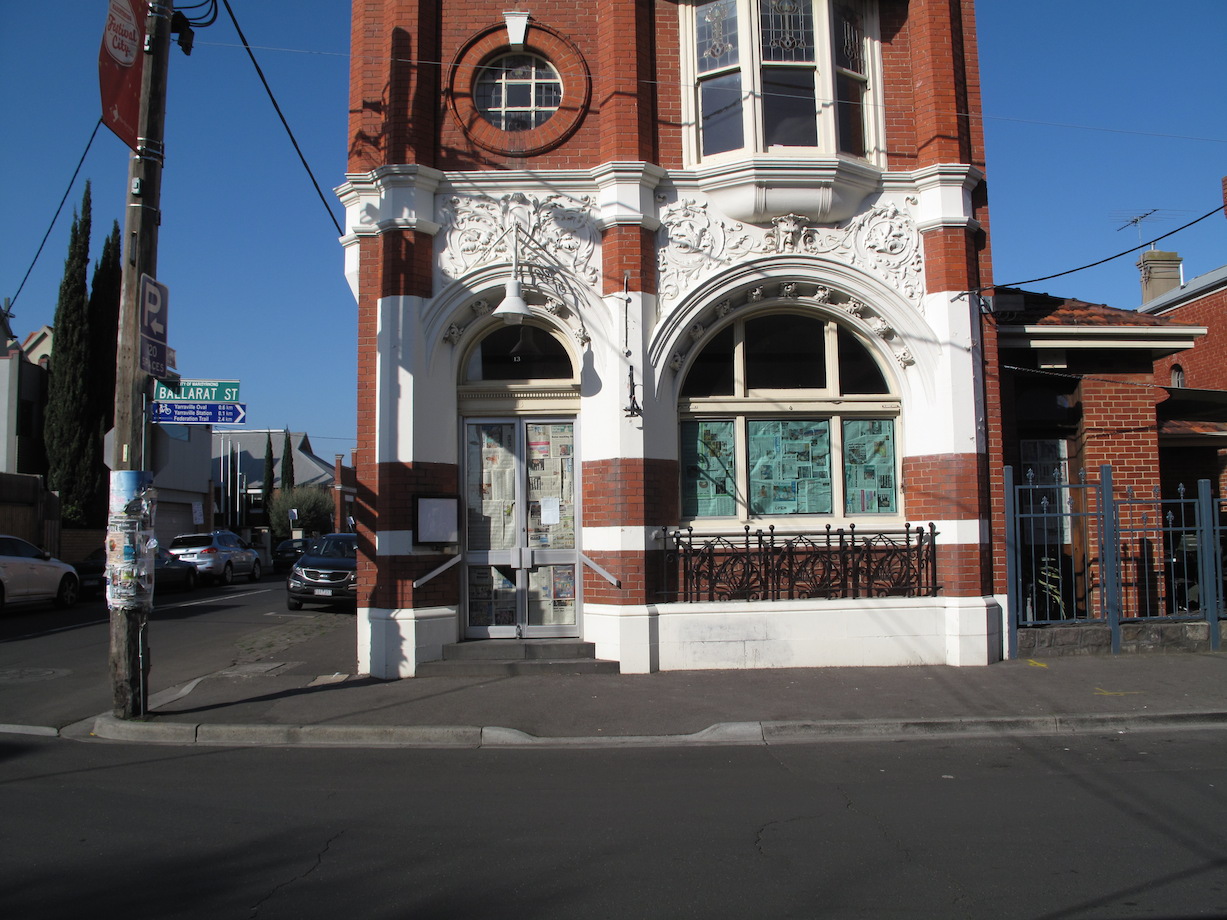
Yarraville is home to a number of once-were-halls that have been transformed into homes.
I wonder what purpose this one, on the corner of Stephen and Sussex streets, originally served?
Scouts, church, service club, other?
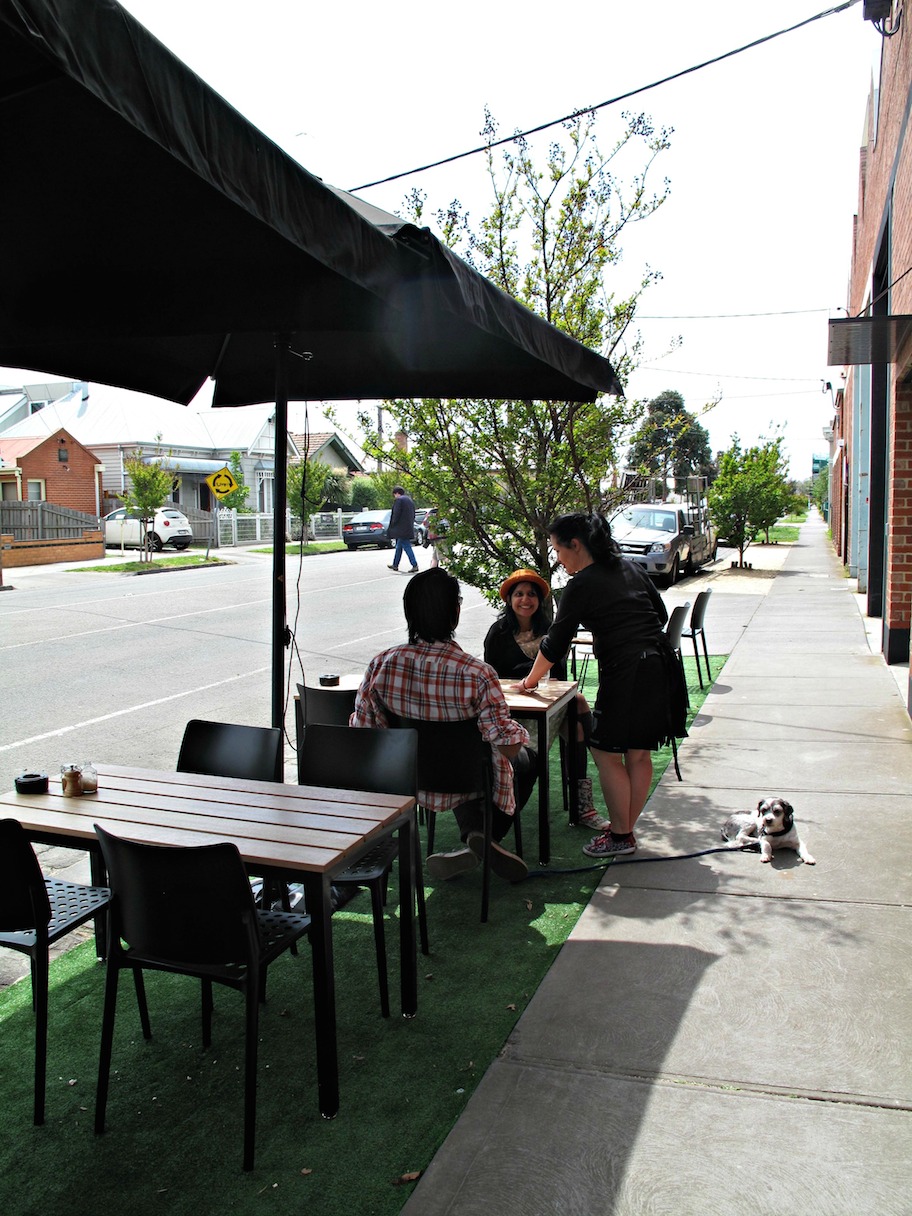
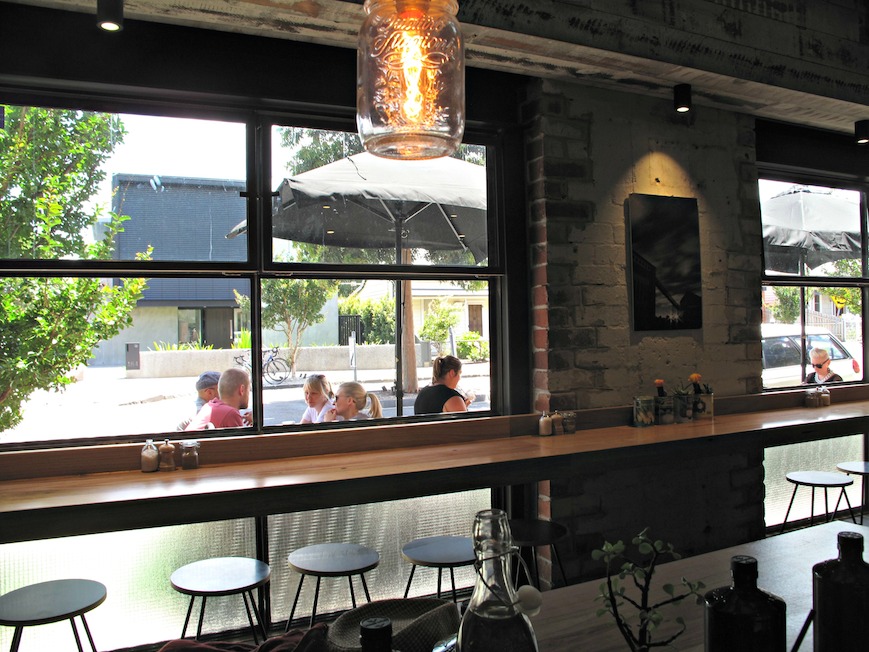
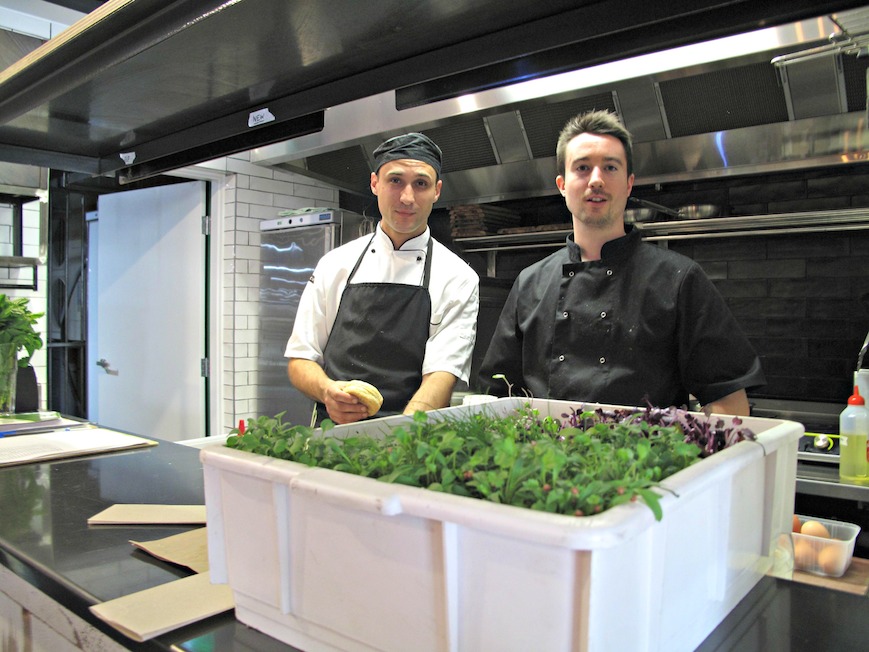
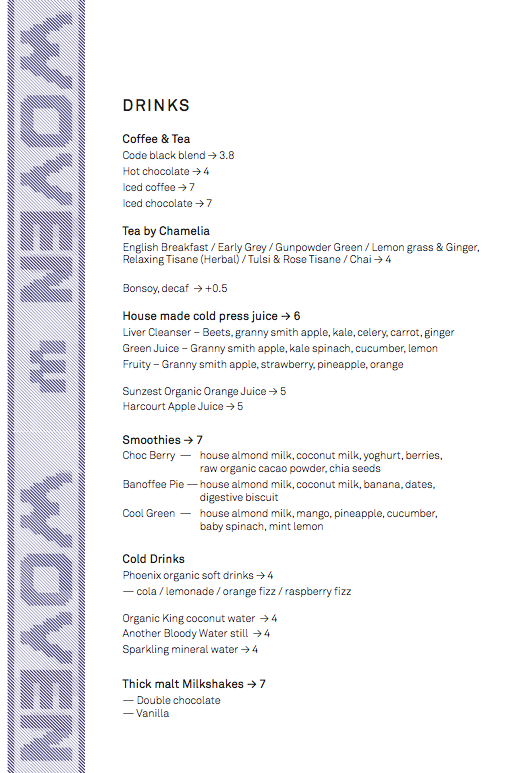
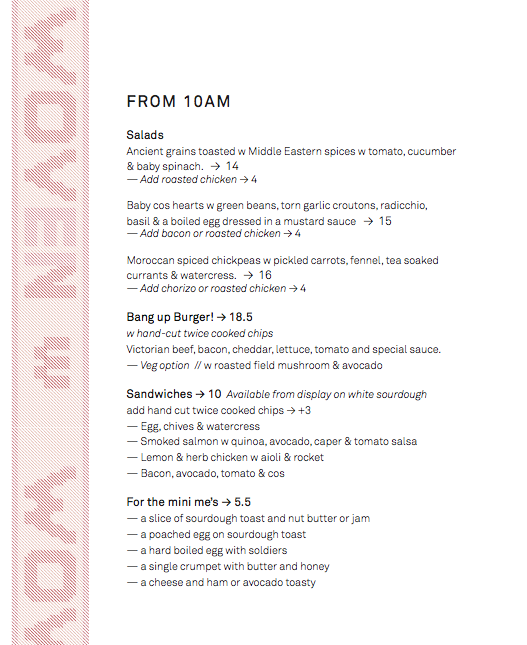
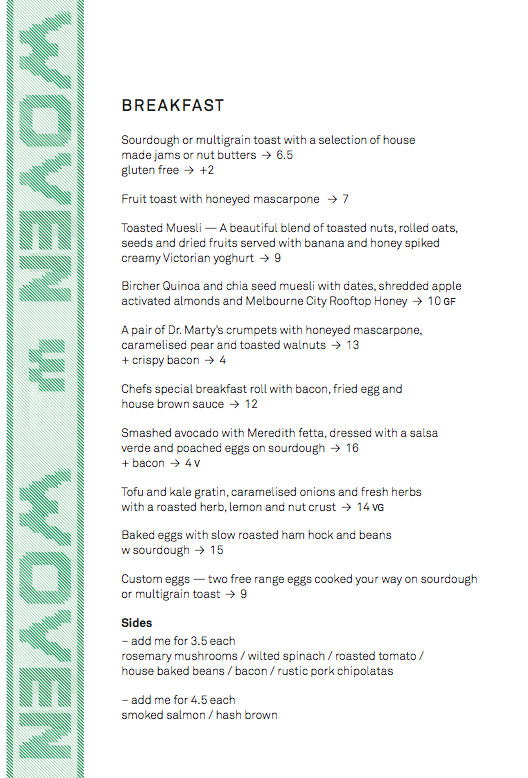
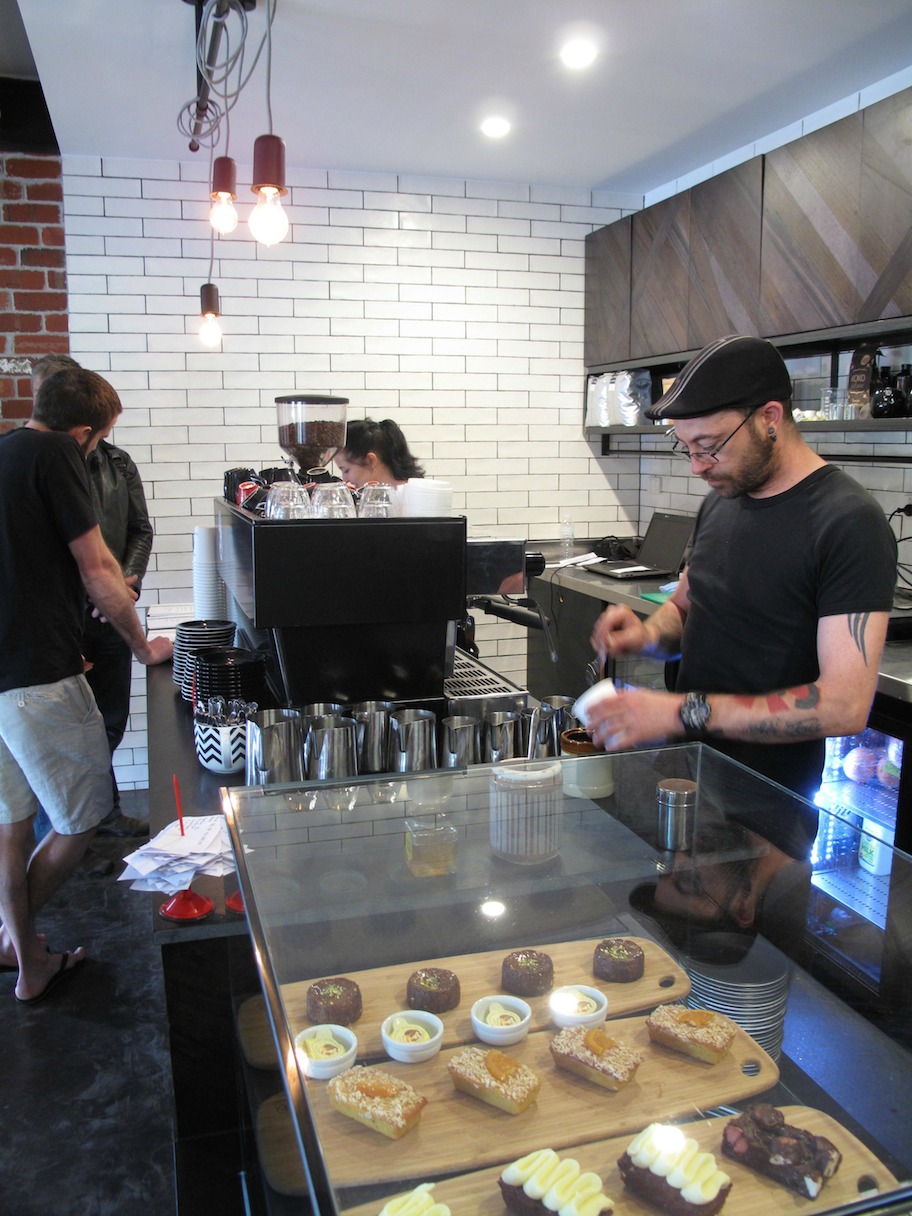
Moving back along the other side of Stephen, the name of lovely new cafe Woven tells something of the mill history of the brick building.
As far as I can tell, all the other occupants are of a commercial nature.

The Yarraville Club building is obviously of a more contemporary nature than the others featured in this story.
But according to the club’s website, its history dates back to 1905.
The club’s orignal premises were opened at the same address in 1910.
These days, the club hosts some cracking music and comedy gigs, but somehow we’ve never attended any.
And we find the food prices a bit scary.
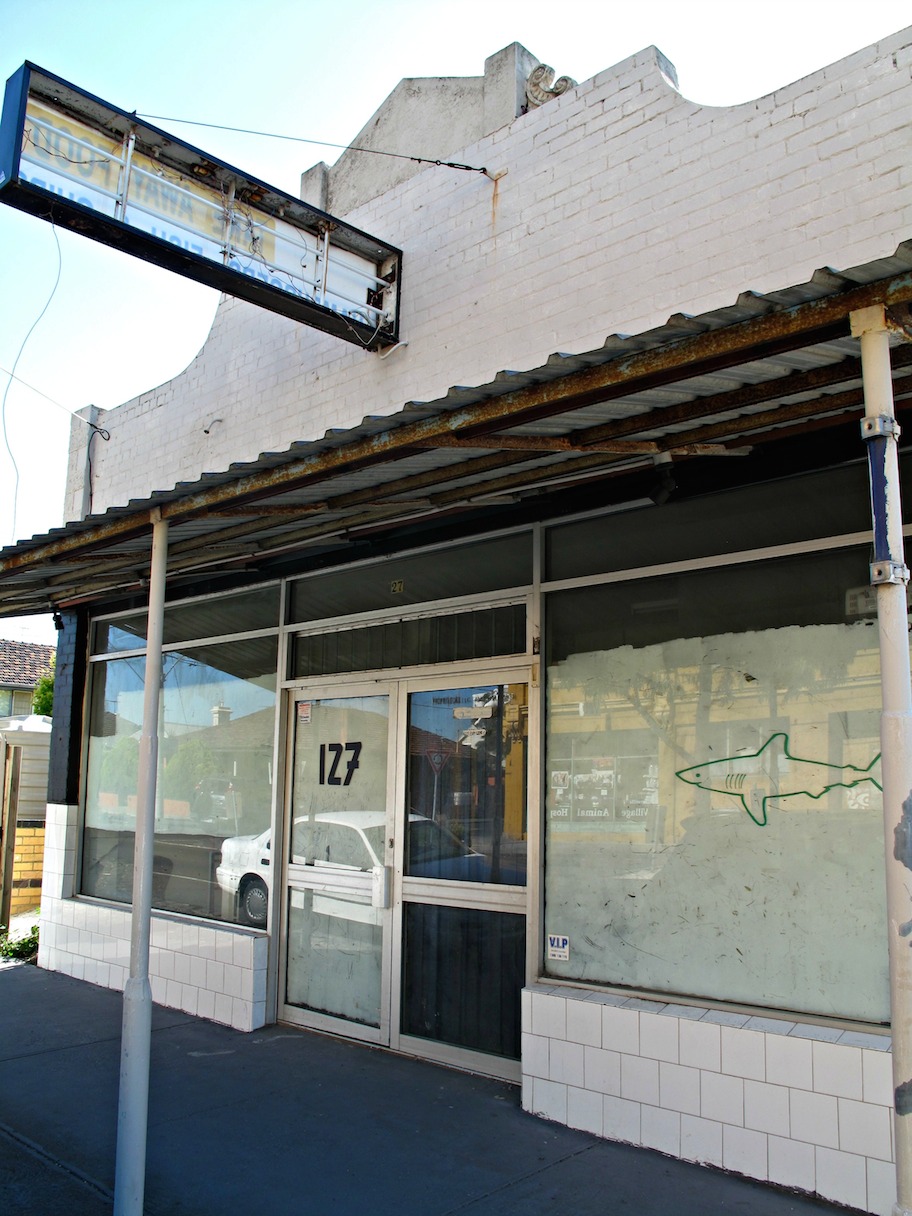
I seem to recall that this now disused takeaway shop was in action until quite recently – i.e. some time in the past half-dozen years or so!
I like the shark signage in the window – it ties in with sharks seen elsewhere on F&C emporiums in the greater neighbourhood (Charles and Roberts streets to name just two).

Finally, and almost returning to the start of my walk, we find what are perhaps Stephen Street’s two most notable and intriguing buildings.
On the corner of Stephen and Lennox, and with the date 1875 on its frontage, is a double-storey building that once housed “Big Smiths” wine and tea store.
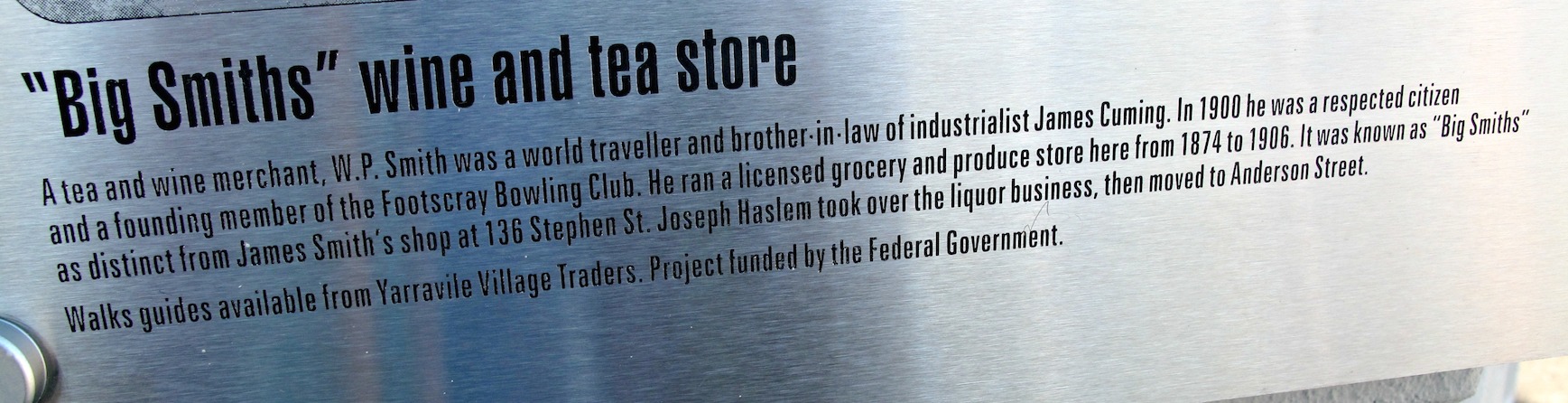
According to the plaque, W.P. Smith ran a licensed grocery and produce store here from 1874 to 1906.

Right next door is a swell-looking brick building emblazoned with a front sign that says The Yarra Coffee Palace, while on the side are signs advertising Capstan ciggies and Temple Bar tobacco.
I was thrilled to find this amazing essay – published just a few months back and written by Lucia Nardo for the Melbourne Circle website.
She details her memories of her family taking up residence there in the early 1960s.
And from her story, we learn that the advertising signs were refurbished by the subsequent owners.
(After reading this story, Lucia sent me an email I have printed below in the comments section with her approval.)
Still, how I’d love to know more detail of the Yarra Coffee Palace’s glory days.
When WERE those glory days?
What sort of coffee was served?
Was it a well-to-do establishment or one of a more blue-collar bent?
And, most entrancingly, was food served and, if so, what kind?
You can check out Lucia’s blog here.






















 consider the sauce